

- Dpmge
- 248 Views
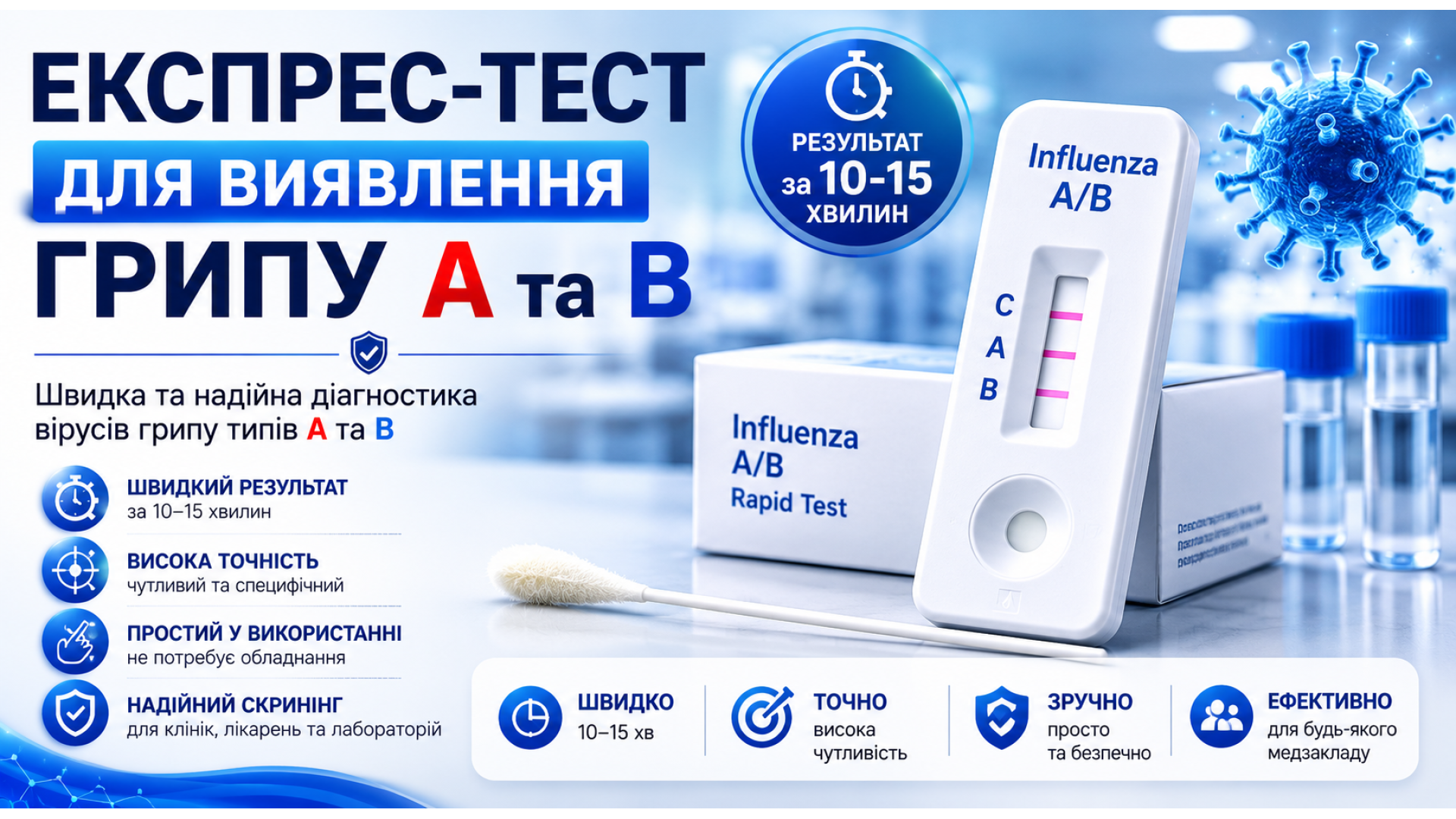
Rapid Tests for Influenza A and B: Fast Diagnosis for Timely Treatment
- 03 Jun 2026
- | 0 Comments
Influenza remains one of the most common viral infections worldwide. Seasonal outbreaks of Influenza A and Influenza B can lead to serious complications, hospitalizations, and significant public health challenges. Early and accurate diagnosis plays a crucial role in initiating appropriate treatment and preventing the spread of infection.
Rapid Influenza A/B tests provide a convenient and effective solution for quick detection of influenza viruses in healthcare settings.
What Is a Rapid Influenza A/B Test?
A Rapid Influenza A/B Test is an immunochromatographic diagnostic assay designed to qualitatively detect Influenza A and Influenza B viral antigens in nasal or nasopharyngeal specimens.
The test delivers results within 10–15 minutes, allowing healthcare professionals to make prompt clinical decisions without the need for complex laboratory equipment.
Benefits of Rapid Influenza Tests
Fast Results
Results are available within minutes, helping healthcare providers quickly assess patients and determine appropriate treatment strategies.
Easy to Use
The testing procedure is simple and can be performed by trained medical personnel without specialized laboratory infrastructure.
Effective Screening Tool
Rapid tests support efficient patient screening during seasonal influenza outbreaks and periods of increased respiratory illness activity.
Convenient for Various Healthcare Settings
Rapid Influenza A/B tests can be used in:
- Hospitals
- Clinics
- Emergency departments
- Family medicine practices
- Urgent care centers
- Mobile healthcare units
When Should Influenza Testing Be Performed?
Testing is recommended for patients presenting with symptoms such as:
- Fever
- Cough
- Sore throat
- Headache
- Muscle aches
- Fatigue
- Chills
Testing is generally most effective during the early stages of infection when viral antigen levels are highest.
Why Differentiate Between Influenza A and B?
Influenza A and Influenza B viruses differ in their epidemiological characteristics and transmission patterns.
Identifying the virus type helps healthcare professionals:
- Monitor seasonal outbreaks
- Improve infection control measures
- Support clinical decision-making
- Enhance public health surveillance
Applications in Healthcare Facilities
Rapid Influenza A/B tests are widely used in:
- Clinical laboratories
- Hospitals
- Outpatient clinics
- Infectious disease departments
- Primary healthcare centers
- Private medical practices
Their ability to provide rapid results helps reduce diagnostic delays and improve patient management.
Conclusion
Rapid Influenza A/B Tests have become an essential tool in modern healthcare diagnostics. They enable fast and reliable detection of influenza infections, support timely treatment decisions, and contribute to better infection control practices.
By incorporating rapid diagnostic testing into routine clinical workflows, healthcare providers can improve patient outcomes and respond more effectively to seasonal influenza outbreaks.
Related Products

Тест для визначення D-димеру (D-dimer)
Тест для визначення D-димеру (D-dimer) – це сучасний швидкий діагностичний інструмÐ..
₴157.00 ₴157.00

Тест для визначення гонореї №20
Тест для визначення гонореї призначений для швидкої та якісної діагностики інфек..
₴123.00 ₴123.00
Тест для визначення прокальцитоніна (PCT)
Швидкий тест для визначення прокальцитоніну (PCT) – це сучасний інструмент ді..
₴228.00 ₴228.00
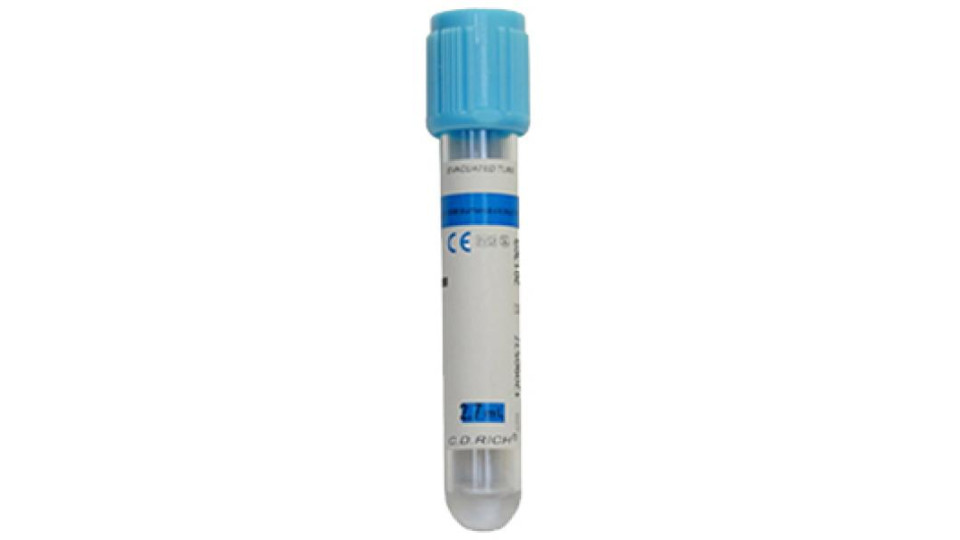
Vacuum Blood Collection Tube, 3.8% Sodium Citrate (1:9), Blue, 100 pcs
Blue vacuum blood collection tubes with 3.8% sodium citrate (1:9 ratio) for accurate coagulation testing (PT, APTT). Reliable laboratory consumables i..
₴450.00 ₴450.00
Тест для визначення антигену H.Pylori (H.Pylori Ag)
Тест призначений для швидкого та якісного виявлення антигену Helicobacter pylori (H. Py..
₴71.00 ₴71.00
