

- Dpmge
- 267 Views
Shaver Systems in Endoscopic Surgery: Precision and Efficiency in Modern Procedures
- 01 Jun 2026
- | 0 Comments
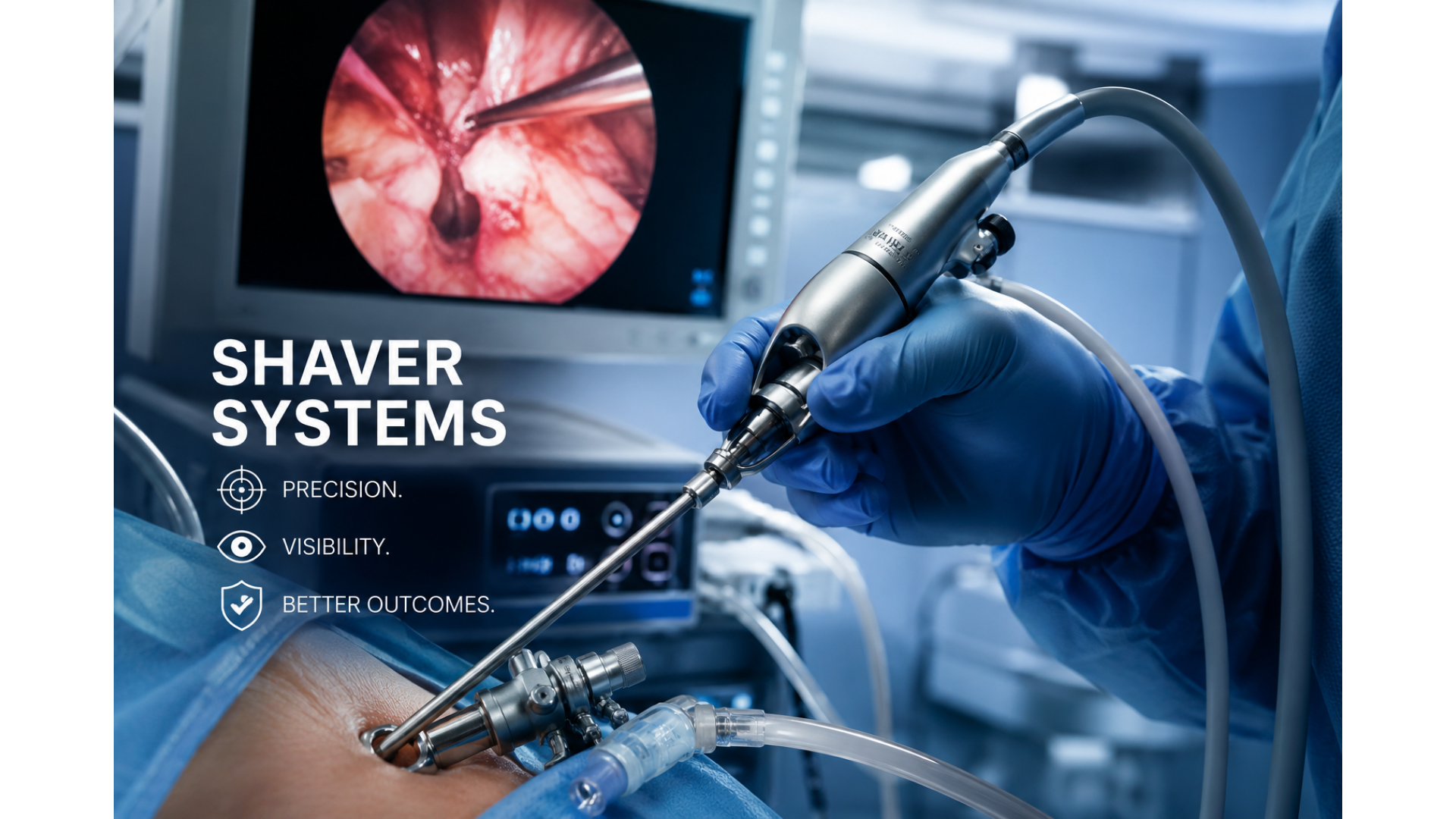
Modern endoscopic surgery continues to evolve, providing surgeons with advanced tools that enable highly precise and minimally invasive procedures. One of the most important technologies used in ENT and orthopedic surgery today is the surgical shaver system.
Shaver systems allow surgeons to remove soft tissue with exceptional accuracy while maintaining a clear surgical field, improving both procedural efficiency and patient outcomes.
What Is a Surgical Shaver?
A surgical shaver is a powered instrument designed for cutting, resecting, and removing soft tissues during endoscopic and arthroscopic procedures. The system combines tissue resection and suction in a single device, allowing continuous removal of tissue and fluids from the operative field.
A typical shaver system consists of:
- Control console
- Handpiece
- Shaver blades
- Suction system
- Footswitch control
This technology provides surgeons with precise tissue management while minimizing trauma to surrounding structures.
Applications in ENT Endoscopic Surgery
Shaver systems are widely used in Functional Endoscopic Sinus Surgery (FESS) and other ENT procedures.
Common applications include:
- Nasal polyp removal
- Chronic sinusitis treatment
- Turbinate reduction procedures
- Removal of benign nasal lesions
- Endoscopic sinus surgery
The ability to selectively remove diseased tissue while preserving healthy anatomy makes shavers a valuable tool in modern rhinology.
Advantages of Shaver Technology
High Precision
Specialized blades allow surgeons to work accurately in delicate anatomical regions while reducing the risk of collateral tissue damage.
Improved Visualization
Integrated suction continuously removes blood and tissue debris, maintaining a clear endoscopic view throughout the procedure.
Minimally Invasive Approach
Shaver systems help reduce tissue trauma, postoperative discomfort, and recovery time.
Increased Surgical Efficiency
Simultaneous cutting and aspiration shorten procedure times and improve workflow in the operating room.
Shavers in Arthroscopic Surgery
In orthopedic procedures, shavers play a critical role during arthroscopy of:
- Knee joints
- Shoulder joints
- Ankle joints
- Hip joints
They are used to remove damaged tissue, trim cartilage, reshape soft tissue structures, and improve joint visualization during surgery.
Key Features of Modern Shaver Systems
Healthcare facilities should consider the following factors when selecting a shaver system:
- Motor performance and reliability
- Stable high-speed operation
- Ergonomic handpiece design
- Foot pedal control
- Wide range of blades and accessories
- Easy cleaning and sterilization
- Long-term durability
High-quality shaver systems contribute to safer procedures and improved surgical outcomes.
Conclusion
Shaver systems have become an essential component of modern endoscopic and arthroscopic surgery. Their precision, efficiency, and minimally invasive capabilities help surgeons perform complex procedures with greater control and safety.
Healthcare facilities investing in advanced endoscopic equipment can significantly enhance surgical performance and patient care through the use of modern shaver technology.
Related Products
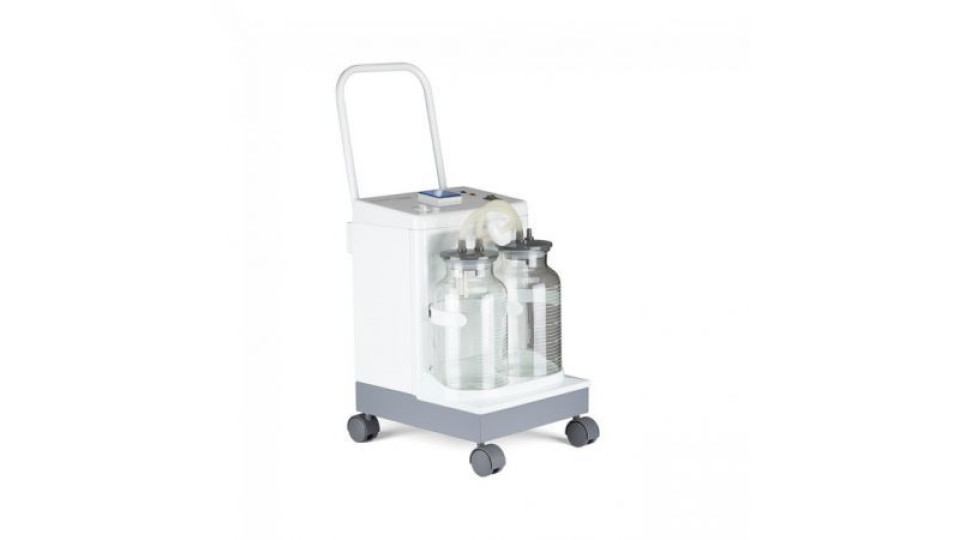
SHREK BPSS-8A Medical Endoscopic Suction Unit (Portable Aspirator)
Professional high-vacuum medical suction unit designed for the efficient aspiration of fluids, gases, and secretions during endoscopic and surgical pr..
₴15,480.00 ₴15,480.00

SHREK SJ-C26 Paraformalin Disinfection Chamber
Professional medical device designed for the low-temperature sterilization of heat-sensitive instruments, including endoscopes, optical devices, and m..
₴120,400.00 ₴120,400.00

SHREK SY-A Additional Monitor Mount for Endoscopic Systems
Professional high-strength adjustable arm designed for mounting an auxiliary monitor to Shrek endoscopic towers and medical trolleys. The SY-A mo..
₴5,375.00 ₴5,375.00
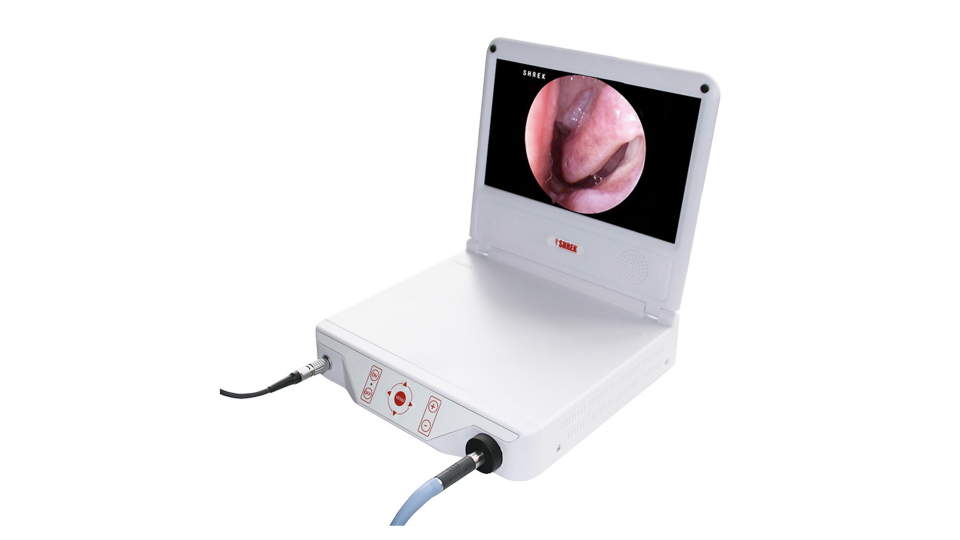
Endoscopic CCD Camera SHREK SY-GW601
High-definition medical-grade CCD camera SHREK SY-GW601 for professional endoscopy. Features superior color reproduction, high resolution, and stable ..
₴104,490.00 ₴104,490.00
